Programme & Speakers
We are looking forward to welcoming you to Bologna to celebrate and learn about a variety of languages and how we use them in our lives. The Polyglot Conference welcomes Everyone Who Loves Language!
Wednesday 18th November – Community Day & Registration
- 09:00–18:00 — Registration desk open
Language Tables & Workshops
All day (10:00–18:00) · Language Exchange Tables
Mandarin, Korean, French, German, Russian, Spanish, Cantonese, Swedish, Finnish, Italian, Turkish, Thai, Arabic, African languages, Vietnamese, Hindi, Latin American studies and more + No-English Corner available
Games, Booths & Activities (10:00–17:00)
Opening Ceremony (17:00-18:00)
Thursday 19th and Friday 20th November
This year, the in-person event in Bologna will feature 20-minute speaker slots, allowing even more people to share their ideas on the Polyglot Conference stage! Be part of an exciting event that brings you to an old monastery’s library in the centre of Bologna! You can apply here by filling out the Call for Papers application form.
We have a full programme from starting registrations at 08:00 and running through to 18:00. There will also be plenty of other activities to keep you busy throughout your time with us!
You will have the option of joining tours during the days after the conference and language courses just before we start the main event! So lots to get excited about and we look forward to seeing you with us soon!
Here follows a preliminary schedule for the two conference days:
(Please note that there could be some changes made as required.)
Thursday 19th November
| 08:00 – 09:00 | Registration & Mingle | |
| 09:00 – 09:10 | Take your seats | |
| 09:10 – 09:30 | SPEAKER | PRESENTATION |
| 09:30 – 09:50 | SPEAKER | PRESENTATION |
| 10:30 – 10:50 | SPEAKER | PRESENTATION |
| 11:00 – 11:20 | SPEAKER | PRESENTATION |
| 11:30 – 11:50 | SPEAKER | PRESENTATION |
| 12:00 – 12:20 | SPEAKER | PRESENTATION |
| 12:30 – 12:50 | SPEAKER | PRESENTATION |
| 12:50 – 13:00 | GROUP PHOTO | |
| 13:00 – 15:00 | LUNCH | |
| 15:00 – 15:20 | SPEAKER | PRESENTATION |
| 15:30 – 15:50 | SPEAKER | PRESENTATION |
| 16:00 – 16:20 | SPEAKER | PRESENTATION |
| 16:30 – 16:50 | SPEAKER | PRESENTATION |
| 17:00 – 17:20 | SPEAKER | PRESENTATION |
| 17:30 – 17:50 | SPEAKER | PRESENTATION |
| 18:00 – 18:20 | SPEAKER | PRESENTATION |
| 18:30 – 18:50 | SPEAKER | PRESENTATION |
| 19:00 | See you tomorrow! |
Friday 20th November
| 08:00 – 09:00 | Registration & Mingle | |
| 09:00 – 09:20 | SPEAKER | PRESENTATION |
| 09:30 – 09:50 | SPEAKER | PRESENTATION |
| 10:00 – 10:20 | SPEAKER | PRESENTATION |
| 10:30 – 10:50 | SPEAKER | PRESENTATION |
| 11:00 – 11:20 | SPEAKER | PRESENTATION |
| 11:30 – 11:50 | SPEAKER | PRESENTATION |
| 12:00 – 12:20 | SPEAKER | PRESENTATION |
| 12:30 – 12:50 | SPEAKER | PRESENTATION |
| 12:50 – 13:00 | GROUP PHOTO | |
| 13:00 – 15:00 | LUNCH | |
| 15:00 – 15:20 | SPEAKER | PRESENTATION |
| 15:30 – 15:50 | SPEAKER | PRESENTATION |
| 16:00 – 16:20 | SPEAKER | PRESENTATION |
| 16:30 – 16:50 | SPEAKER | PRESENTATION |
| 17:00 – 17:20 | SPEAKER | PRESENTATION |
| 17:30 – 17:50 | SPEAKER | PRESENTATION |
| 18:00 – 18:20 | SPEAKER | PRESENTATION |
| 18:20 – 18:50 | Richard Simcott | Closing Ceremony, Teach Yourself Raffle & Announcement for Polyglot Conference 2027 |
You may also be interested in taking part in an excursion or languages courses in Bolognese and Italian. We will provide more information about these soon!
Excursions
Ravenna – 21st November
Departure from Bologna in the morning by private coach, approximately at 8:30.
Arrival in Ravenna and meeting with the local guide at around 9:45/10:00.
Enjoy a guided city tour of Ravenna (approximately 3 hours), including entrance to the main UNESCO diocesan monuments:
- Basilica di Sant’Apollinare Nuovo,
- Basilica San Vitale,
- Galla Placidia Mausoleo,
- Tomba di Dante,
- Battistero Neoniano
Radio receivers and earphones are included.
At the end of the guided tour, free time to explore the city independently.
Departure by private coach at approximately 16:00/16:30 for the return journey to Bologna
Ferrara – 22nd November
Departure from Bologna in the morning by private coach, approximately at 8:30.
Arrival in Ferrara and start of the guided city tour (approximately 2 hours), featuring the highlights of the historic centre:
- Castello di San Michele (external visit)
- Palazzo Ducale (external visit)
- Cathedral of San Giorgio
- The Jewish Ghetto area
- The ancient medieval warehouses district along Via delle Volte
The tour will conclude with a panoramic view of the Renaissance district, recognized as a UNESCO World Heritage Site.
Radio receivers and earphones are included.
At the end of the tour, free time to explore the city independently.
Departure by private coach at approximately 14:00 the return journey to Bologna.
* Please note that excursions and the number of people participating will need to be confirmed as the places fill up. We will do our very best to ensure everyone who wants to participate gets to join one or both tours.
Speakers
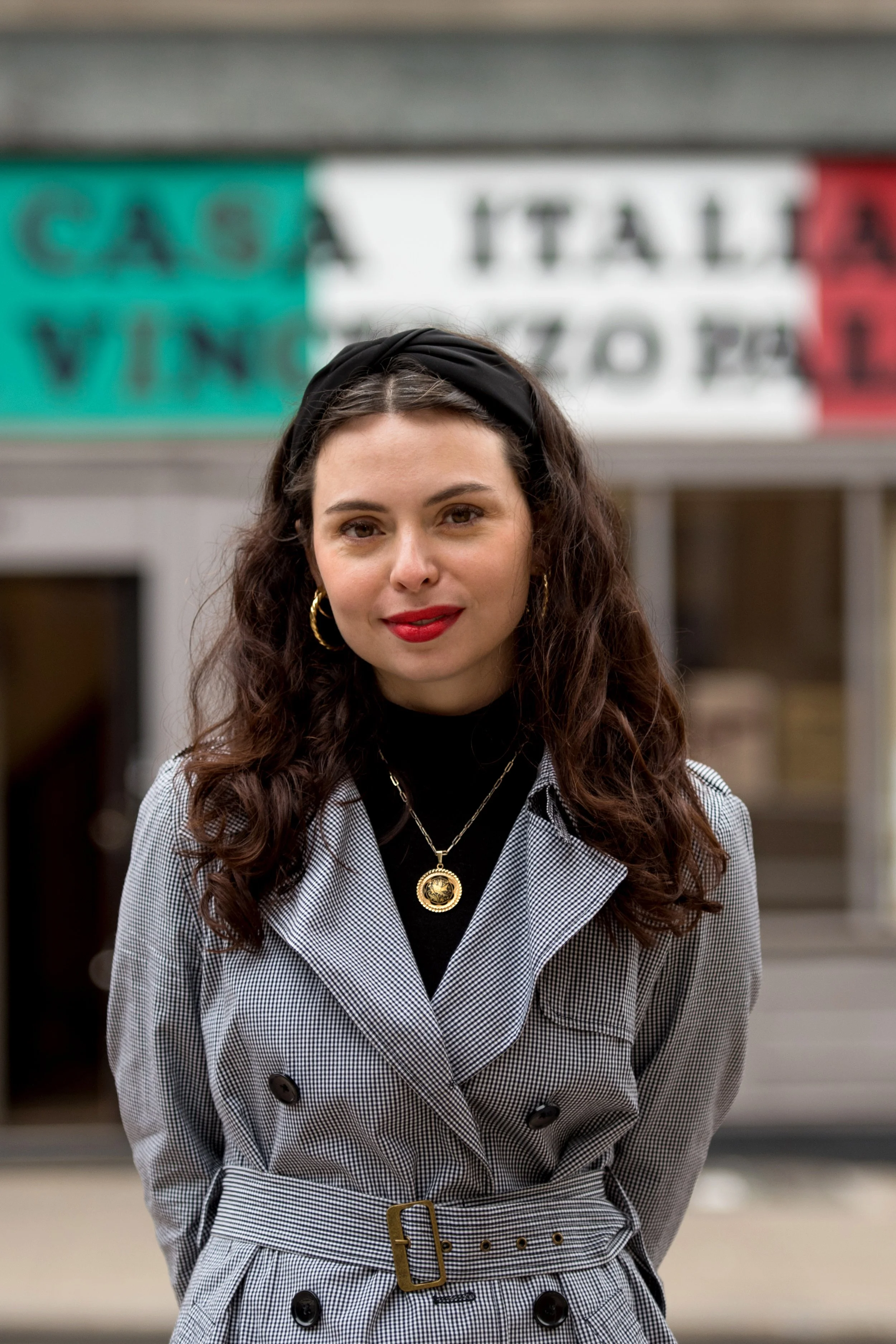
How To Kill A Language: How My Nonna's Piaśintein Took Me Around The World
Sophia Smith Galer
Sophia Smith Galer discusses her work How To Kill A Language, her book charting the phenomenon of linguicide. In this discussion Sophia will explore 10 different ways she found languages were disappearing today, who was disappearing them, and solutions that different communities around the world are presenting to revive and reclaim language. In this talk she’ll especially focus on Italian and “dialetti” as migrant languages in London, as well as her family’s variety of Emilian spoken in the mountains of Piacenza.
About Sophia:
Sophia Smith Galer is a multi-award-winning journalist, author and content creator based in London with more than 200 million video views for her storytelling around technology, language and culture. She has built a following of over 900,000 people and in 2022 British Vogue selected her as one of the 25 most influential women in the UK. A former BBC and VICE journalist, Sophia is the author of How To Kill A Language, a book about linguicide, in which she travels four continents to find out why languages are disappearing at an unprecedented rate.
Instagram: @sophiasgaler
TikTok: @sophiasmithgaler
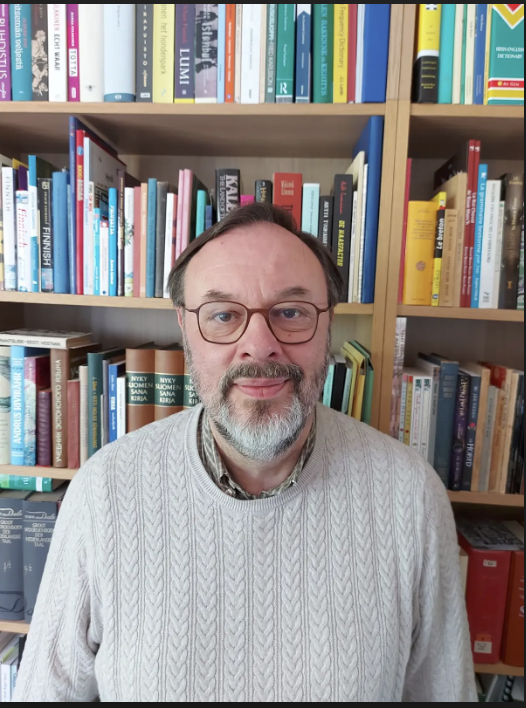
Dead Languages or Living Skills? The Battle for the Modern Curriculum in Flemish Secondary Education
Dr. Johan Vandewalle
In recent years, proposals have emerged advocating for the removal of classical languages, notably Latin and Ancient Greek, from Flemish secondary education curricula. These proposals often argue that instructional time should instead be allocated to subjects perceived as more directly applicable, particularly within the domains of science, technology, engineering, and mathematics (STEM). Alternative perspectives, however, recommend either increasing the instructional emphasis on modern languages—especially English—or introducing additional languages such as Turkish, Arabic, Russian, or Chinese.
This presentation seeks to systematically examine the principal arguments underlying these differing positions, with particular attention to the proposal of incorporating entirely new languages into the curriculum. Proponents of classical language education frequently emphasize their purported “general formative” value, particularly with respect to its contribution to cognitive development and intellectual training. Accordingly, this study investigates whether the instruction of new, non-Western or non-Indo-European languages might offer comparable formative benefits, alongside their more immediate practical utility.
Drawing on illustrative examples from the languages under consideration, this analysis aims to evaluate the extent to which such educational outcomes can be achieved. The findings suggest that a nuanced and context-dependent conclusion is warranted.
About Johan:
Johan Vandewalle was born in 1960 in Bruges, Belgium. He studied at Ghent University, where he earned a master’s degree in Civil Engineering and Architecture in 1983, followed by a master’s degree in Oriental Languages (Arabic and Persian) in 1985. In the same year, he also completed a bachelor’s degree in Slavonic Languages (Russian and Church Slavonic), and in 1986 he obtained a postgraduate degree in General Linguistics, focusing on Turkish and Ottoman. He went on to complete a PhD in Linguistics in 2013, with a dissertation on motion verbs in Russian, Turkish, and Uzbek.
He began his career teaching Turkish at the Language Centre of Ghent University from 1984 to 1987. He then carried out research for the Ministry of Education on how migrant children in Belgium acquire Dutch as a second language (1987–1989). From 1989 to 1997, he worked in a private company specializing in computer-assisted language learning. In 1993, together with his wife Linda Gezels, he co-founded Orientaal vzw, a centre for Oriental languages and cultures, where he taught Turkish and Arabic. They also developed a Turkish teaching method, published as Haydi Türkçe Konuşalım 1 and 2 in 2008 and 2010. He worked as a sworn translator from 1988 to 1999, and between 1997 and 1999, he ran his own translation agency.
In 1999, he returned to Ghent University to begin his doctoral research. In 2006, he joined the Department of Translation, Interpreting and Communication at the same university, where he became head of the Turkish section. There, he taught Turkish grammar, Turkish language practice, and translation from Turkish into Dutch, and conducted research on intralingual translation from Ottoman Turkish into modern Turkish. He retired from the university in 2026.
In 1987, his exceptional linguistic abilities earned him the Babel Prize in a polyglot competition held in Belgium. During the contest, he was tested in 22 living languages and passed in 19 of them. He continues to expand his linguistic knowledge to this day. His main linguistic interests include general linguistics, linguistic typology, and intralingual translation.
Instagram:
@johan.vandewalle
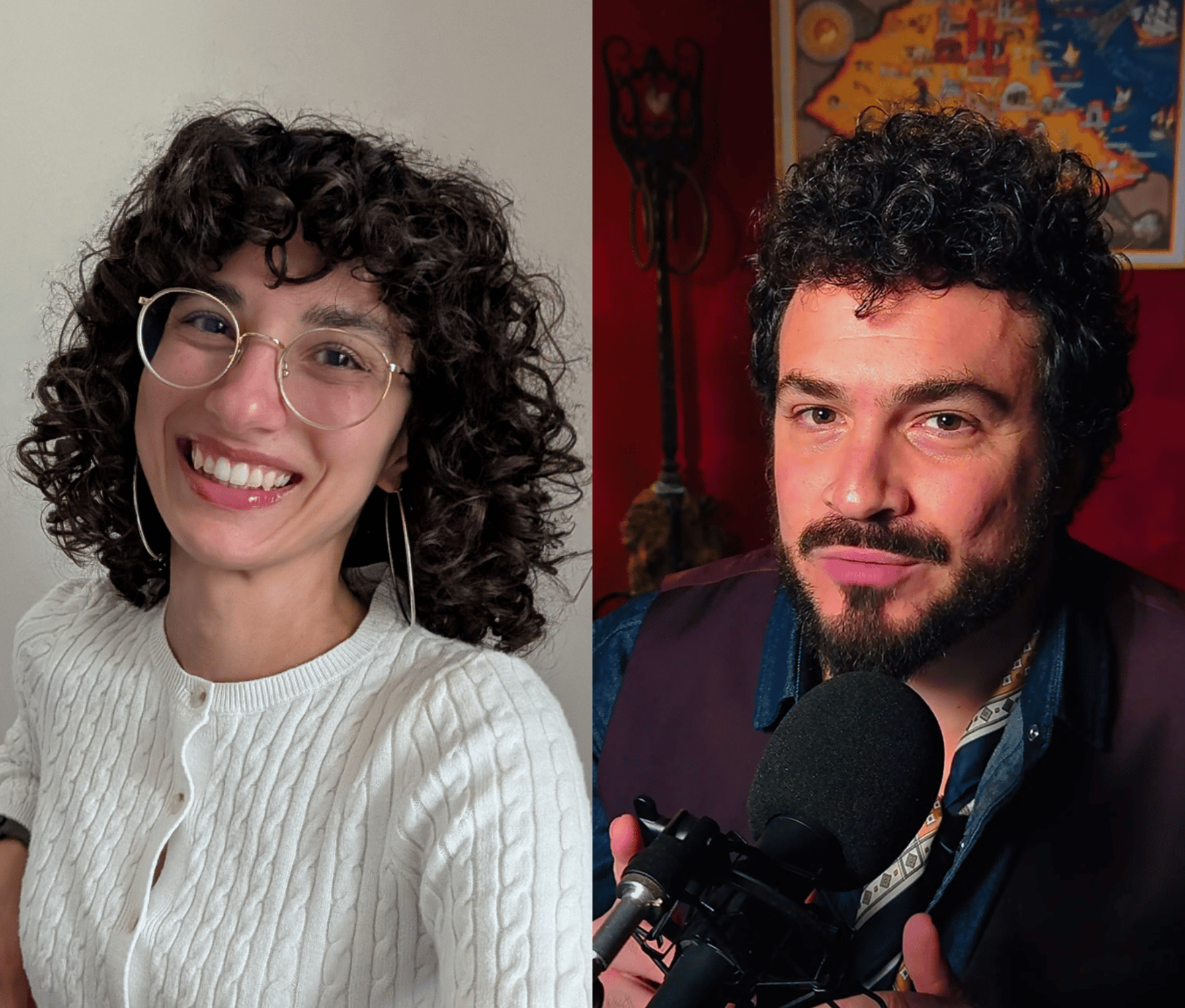
Dialetto a chi? La ribellione delle lingue locali in Italia
Giulia Lucania & Fabrizio Caveja
Cos’è un dialetto? Dipende dalla lente con cui lo osserviamo. Ciò che è certo è che la risposta a questa domanda non è cosa da poco se consideriamo che dalla fine degli anni ’80 a oggi l’uso prevalente delle lingue locali in Italia è passato dal 32% al 9,6%.
Il filtro che più ci interessa, allora, non può che essere quello della sociolinguistica, secondo cui un dialetto non è altro che una lingua subordinata a un’altra per ragioni sociopolitiche. In altre parole, il siciliano non avrebbe nulla da invidiare all’italiano, il romagnolo niente che non abbia il norvegese. Eppure il condizionale è d’obbligo, perché le cose, di fatto, sono ben diverse.
In nome di questa crescente consapevolezza, i “dialetti” italiani si stanno ribellando, insorgendo contro l’unica designazione che li rende tali. I social media (ma non solo) sono il palcoscenico preferenziale sul quale creatrici e creatori di contenuti si impegnano per restituire al veneto, al napoletano, al ligure la dignità di cui sono stati privati.
Portiamo sul palco della Polyglot Conference la realtà scomoda dei (non) dialetti italiani, raccontando in particolare la seguitissima esperienza del faentino Fabrizio Caveja, divulgatore dietro la pagina Rumagnulesta: una tra le voci più forti che lottano a suon di parole per riportare le nostre lingue locali al loro antico splendore… o almeno per contribuire alla loro sopravvivenza.
About Giulia & Fabrizio:
Giulia Lucania è una poliglotta, specialista della comunicazione interlinguistica e insegnante di italiano L2 originaria di Palermo, che ha trascorso gli ultimi dieci anni vivendo di lingue (principalmente inglese, francese, spagnolo e arabo) e spostandosi da una città all’altra nel Nord dello Stivale.
Col tempo ha sviluppato un crescente interesse per le lingue minoritarie in Italia. A spingerla verso questo tema sono state la sua esperienza personale di fuori sede lontana dalle proprie radici, e la sua professione.
Giulia, infatti, non si limita a insegnare la lingua italiana, ma si impegna per far conoscere, durante i suoi corsi, le diverse culture e identità che coesistono nel Paese.
Madrelingua siciliana che non ha mai avuto l’opportunità di imparare a scrivere la propria lingua, sostiene e incoraggia il lavoro di content creator, insegnanti e artiste/i che portano sui social media e nella vita reale il loro amore e il loro impegno verso le lingue dei nonni, che oggi rischiano di scomparire.
Instagram:
@giulialucaniatranslations
LinkedIn:
giulia-lucania-translator
Fabrizio Caveja, faentino classe 1988, è insegnante di romagnolo, divulgatore, cantautore, e autore in lingua romagnola. Gestisce il profilo Rumagnulesta su Instagram e TikTok.
Per i suoi corsi di lingua ha scritto una prima grammatica di romagnolo per principianti totalmente incentrata sulla didattica. Nel 2024 e 2025 ha partecipato alla realizzazione della nuova Grafia Unificata Romagnola, sistema grafico che permette a ogni variante linguistica del romagnolo di essere resa graficamente con precisione e semplicità.
Nel 2026 ha tenuto il Laboratorio Intergenerazionale di Romagnolo, in cui diverse generazioni di nonni/nipoti o genitori/figli si sono confrontate su temi comuni in romagnolo, arrivando a una produzione audiovideo di testimonianza del lavoro svolto.
Polistrumentista e cantautore, dal 2023 si esibisce dal vivo con una selezione di brani propri e internazionali tradotti in romagnolo, convinto sostenitore che “in romagnolo non si debba per forza solo ridere”.
Oltre alla musica e all’insegnamento, Fabrizio Caveja è un nuovo fulesta, cioè fiabista – favolatore, lettore e autore di fiabe in romagnolo.
Instagram:
@rumagnulesta
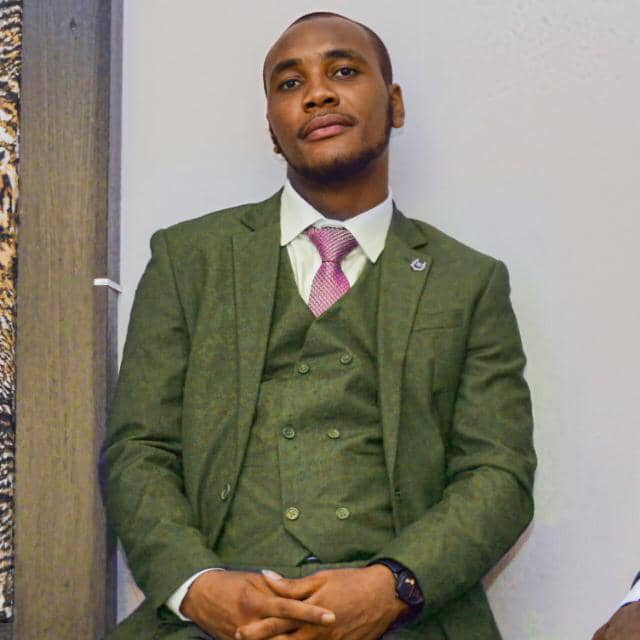
Revitalizing Minority Languages in Italy: A Case Study of Friulian in Contemporary Education
Chidera Igwe
Italy’s linguistic landscape is remarkably diverse, with many minority languages and regional dialects facing decline. Friulian, spoken in the northeastern region of Friuli-Venezia Giulia, is a prime example of both the challenges and opportunities in language preservation. This presentation explores practical strategies to revitalize Friulian through community-led initiatives, educational programs, and digital resources. Drawing on fieldwork and interviews with educators and language activists, I examine how modern teaching methods, immersive experiences, and supportive policy frameworks contribute to sustaining the language among younger generations.
The talk also highlights the cultural and social benefits of preserving linguistic diversity, such as strengthening regional identity, supporting intergenerational knowledge transfer, and encouraging broader societal engagement with heritage languages. Attendees will gain insight into actionable approaches for sustaining minority languages and a deeper understanding of the sociolinguistic dynamics shaping Italy’s multilingual future. The presentation combines research findings with practical examples, offering both inspiration and concrete strategies for educators, linguists, and language enthusiasts.
About Chidera:
Chidera Miracle Igwe is a linguist and polyglot focused on language preservation and multilingual education. With experience in community-led language projects and applied research on minority languages in Europe, Chidera explores the intersection of culture, identity, and linguistic heritage. Fluent in English, Italian, and other languages, Chidera bridges academic research with practical strategies to sustain endangered and vulnerable languages.